Bulk Vending Machine Financing
Nobody finances one gumball machine. That is the first thing to understand about this category: individual bulk vending units, whether they hold candy, capsule toys, stickers, or nuts, often price in the low hundreds to low thousands of dollars, so a fundable request almost always means a route of many machines acquired together, not a single cabinet. We size these files around the count and placement of the whole lot, not the mechanical simplicity of any one unit.
That mechanical simplicity is actually the category's strength. A basic coin-mechanism candy or capsule machine has few moving parts, no refrigeration, and a service life measured in decades rather than years, which is why bulk routes trade hands as established businesses with long machine histories rather than as fleets that get replaced on a short cycle. Buyers acquiring an existing route, or adding coin-mech units alongside Snack Vending Machine Financing equipment in the same locations, can package the acquisition under one approval.
Our program starts at $50,000 and commonly serves transactions from $100,000 upward. New and used equipment can both qualify, and used bulk machines are common given how long they last. For bulk vending machine financing, application-only review may be available near $400,000 for stronger files, while larger requests generally need bank statements and additional documentation.
Financing a route instead of a single machine
Because bulk machines are inexpensive individually, the collateral schedule for a financed route usually lists dozens of units by location rather than by serial number alone. We want a count, a general condition description, and the locations each machine currently serves or will serve, since a hundred machines spread across established laundromat and retail entryway placements is a very different file from a hundred machines with no confirmed sites.
An equipment loan is the most common structure here, since bulk machines depreciate slowly and buyers typically want to own the route outright rather than lease it. A Vending Equipment Loans structure fits an operator buying an established route with a defined price and a clean bill of sale. Leasing is less common in this category simply because the per-machine value rarely justifies the paperwork of a lease structure, though it remains an option for larger cashless-conversion projects layered onto an existing route.
Route acquisitions bring their own documentation needs. We want to know whether the machines are titled to the seller free and clear, what the placement agreements look like, and whether any location owner commission arrangements transfer with the sale. A route bought with verbal handshake agreements at each stop is harder to underwrite than one with even simple written placement terms.
What we look at machine by machine
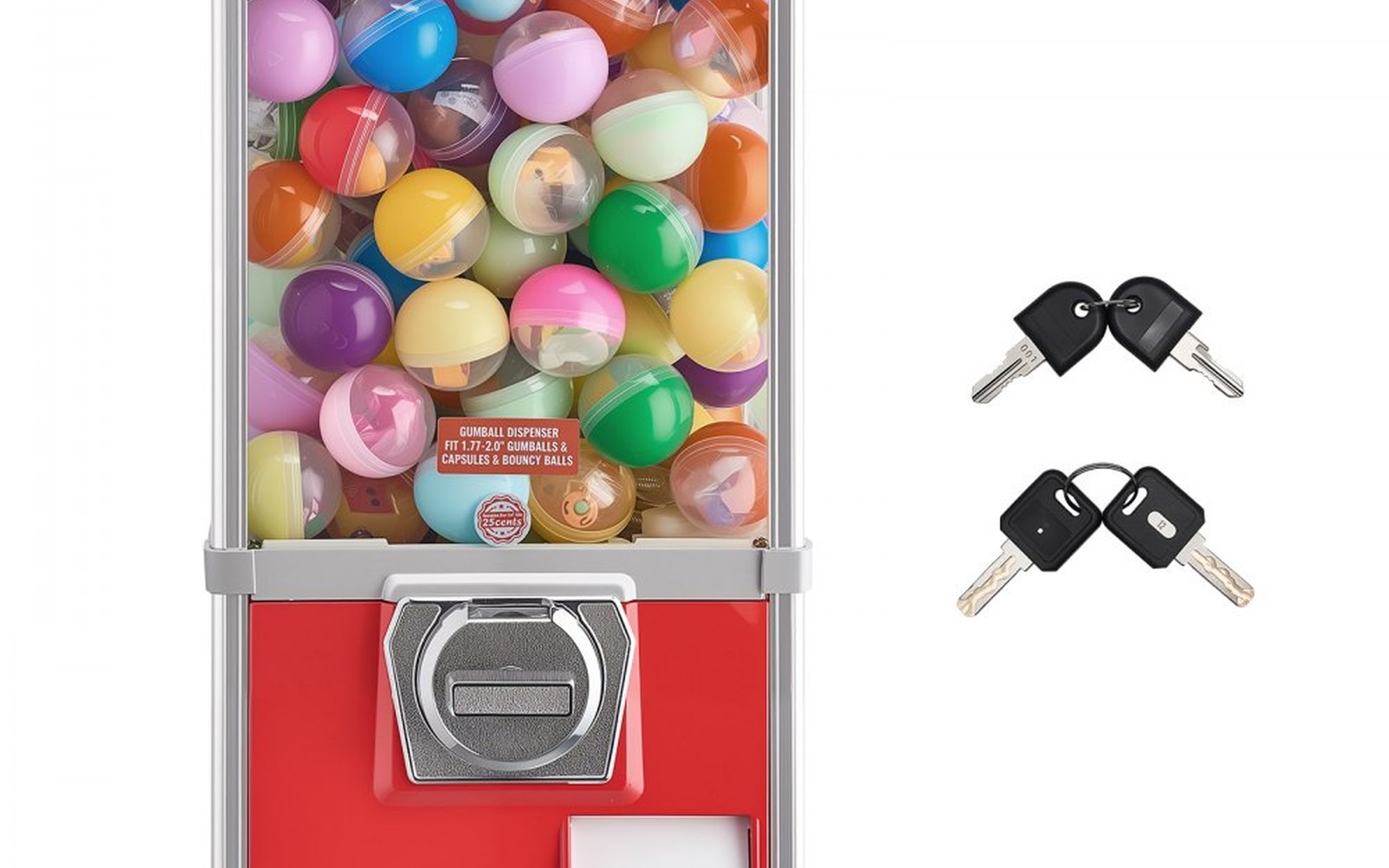
Condition review on bulk equipment focuses on the coin mechanism, the locking cabinet, and the globe or hopper that holds product, since those are the parts that actually fail or get tampered with in the field. A coin box that has been pried open repeatedly, a globe with UV-faded plastic, or a mechanism jammed with foreign coins tells us more about a route's real condition than its stated age.
Cashless upgrades are increasingly part of these files, since a growing share of bulk vending customers do not carry quarters. Adding a card or mobile reader to a coin-mech machine is a retrofit, not a replacement, and we can finance that upgrade across a route alongside the machine purchase itself when the quote separates hardware, labor, and any subscription fee clearly.
Fill logistics matter for the operating case even though they do not directly affect collateral value. A route stocked with capsule toys or novelty items has a different restocking cadence and supplier relationship than one running candy or gumballs, and an operator who can describe that supply chain clearly gives us a better picture of ongoing cash flow than one who treats the machines as a passive investment.
Collection frequency also tells us something about how the route is actually run. A route serviced weekly with consistent coin totals per stop points to a stable placement, while erratic collection schedules or wide swings in collection amounts can signal a site that is losing foot traffic or a machine that is not being filled reliably. We ask about collection patterns as part of understanding the route's real cash flow, separate from the mechanical condition of any individual machine.
Structuring price and term around a low-value fleet
Term length on bulk vending financing tends to track the acquisition price relative to the machine count rather than any single unit's expected life, since the machines themselves last far longer than most financing terms anyway. A route purchase priced mostly on its account base and cash flow, with the machines as supporting collateral, is underwritten more like a small business acquisition than a straightforward equipment purchase.
Down payment expectations can flex based on how established the route is. A route with several years of consistent collection history and long-standing placements at the same locations presents lower risk than a newly assembled set of machines with unproven sites, and that history can support a lower down payment than a speculative rollout would.
Buyers layering a Multi-Location Vending Rollout Financing structure onto a bulk route, adding new placements beyond the ones included in the original acquisition, should expect the new-location machines to be evaluated more like a startup expansion than an established route, since those sites have no collection history yet.
Where bulk routes fit alongside other equipment
Bulk machines frequently share real estate with other unattended retail equipment rather than standing alone. A route running gumball and capsule machines near the entrance of a Convenience Stores location, or tucked into a Laundromats waiting area alongside a snack or beverage machine, is a common configuration, and buyers acquiring or expanding those combined placements can request financing that covers the full mix rather than filing separately for each equipment type.
Operators considering whether to buy new bulk equipment or acquire an existing route with machines already in place often land on the acquisition, since placement history and account relationships in this category take years to build and are difficult to replicate from scratch with brand-new machines and no established sites. A route with proven locations in Vending Machine Financing in Memphis, TN carries value beyond the hardware itself.
Price the complete bulk vending route
Send the machine count, locations, seller information, and any placement agreements that transfer with the sale. We will identify what documentation the file needs and return a financing path sized to the actual route.
Vending equipment financing questions
Can a single gumball or capsule machine be financed on its own?
Rarely. Individual bulk machines usually price well under our $50,000 minimum, so most files combine an entire route or a substantial multi-machine order to reach a fundable size.
How does financing an existing bulk route differ from buying new machines?
A route acquisition is underwritten more like a small business purchase, weighing placement history and collection records alongside machine condition, while a new-machine order is evaluated mainly on equipment cost and where the machines will go.
Can a cashless payment upgrade be added to an existing coin-mech route?
Yes, when the quote separates the hardware, installation labor, and any subscription fee for each machine. We can finance the retrofit across the route alongside a machine purchase or as its own request.
Do older bulk machines qualify even though they are mechanically simple?
Yes. These machines have long service lives, and age alone does not disqualify them. Condition of the coin mechanism, cabinet, and locking hardware matters more than the manufacture date.
What documentation does a route acquisition need?
A bill of sale, confirmation the machines are titled free and clear, any placement or location agreements that transfer with the sale, and a description of collection history at each site.
Can new placements be added on top of an acquired route in the same request?
Yes, but expect the new-location machines to be evaluated with less collection history than the acquired route carries, since those sites have no track record yet.