Snack Vending Machine Financing
Snack machines are the cheapest asset on most route rosters, and that is precisely why a single unit rarely clears our financing floor on its own. A used snack machine can sell for less than a used car stereo. A new one still often lands under five figures. The way past that gap is packaging: several machines, the coin and bill mechanisms, cashless readers, and the initial delivery and setup labor, priced and financed together as one request.
We work with route operators buying out a competitor's snack line, break room suppliers replacing a decade-old bank of machines, and vending companies opening accounts that call for six, ten, or twenty new units at once. What ties those files together is not the brand stamped on the cabinet. It is whether the combined equipment, once installed, generates enough vend activity to carry the payment.
Our program starts at $50,000 and works comfortably from $100,000 up. New and used machines both qualify, credit outside the top tier is reviewed rather than declined automatically, and application-only paperwork can cover requests up to roughly $400,000 for stronger files. Larger snack rollouts, or ones mixed with other equipment, typically move with three months of bank statements alongside the vendor quote.
What has to be true before a snack package qualifies
The first thing we look at is whether the request is actually a package rather than a single equipment package line. A machine count, a per-unit price, a list of accessories such as bill validators or coin hoppers, and a delivery or installation charge should all appear on the seller quote. If ten machines are being purchased from a retiring operator as a route buyout, we also want a location list, because financing a route is different from financing loose equipment sitting in a warehouse.
Second, we look at how the machines will be paid for by the business that runs them, not by us guessing at vend volume. Prior placement history, an assumed account list from a route sale, or signed agreements with new locations all answer that question. A buyer who cannot say where the machines are going, only that they intend to place them eventually, faces a harder file than one with addresses already lined up.
Cabinet condition, delivery mechanism, and vend mix
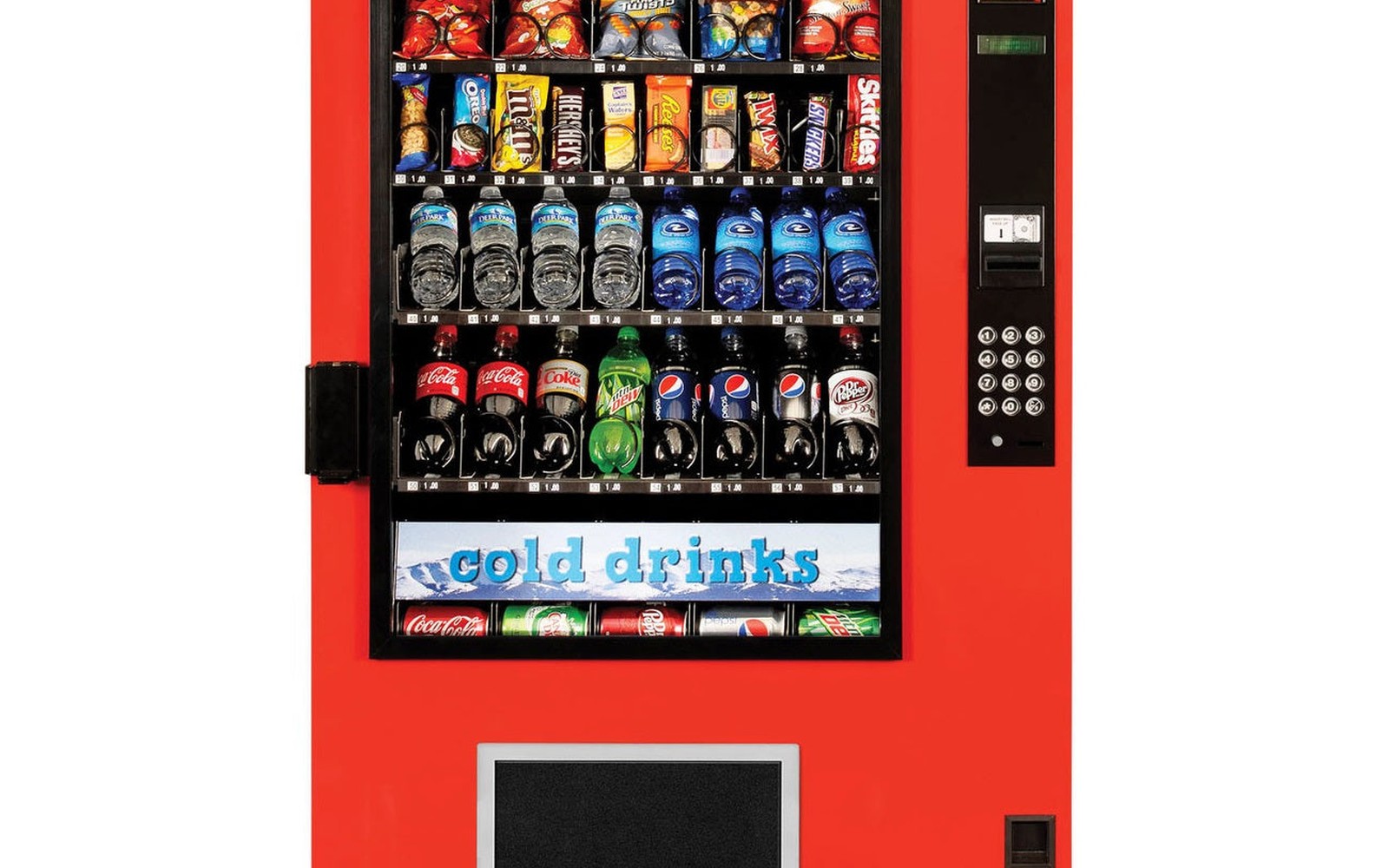
Snack machines run ambient, not refrigerated, so the mechanical story is simpler than a beverage cooler but not trivial. We ask about the spiral or auger delivery system for chips and pastries, the number of selections (most cabinets carry somewhere between 30 and 45), and whether coin mechanisms, bill validators, and a cashless reader are already installed or need to be added. A Wittern 3576 Snack Financing unit and a used cabinet from a different manufacturer are evaluated the same way: motor and cam condition, glass or acrylic front integrity, and whether the electronics have been updated since the machine left the factory.
Age matters less here than in refrigerated categories because there is no compressor to fail. A fifteen-year-old snack cabinet with a working spiral system and a recently added cashless reader can be a sound purchase. What we watch for instead is parts availability, since some manufacturers have exited the category, and Seaga Vending Financing and a handful of other active brands remain easier to service over a longer term.
Where snack machines earn back the purchase
Break rooms, factory floors, and dormitory hallways are the classic locations, and they still account for a large share of the requests we see. A route operator adding accounts at Manufacturing Plants is financing a predictable, high-traffic placement with steady shift-change vend activity. A supplier serving Schools and Universities deals with a different rhythm, including summer vacancy, but often higher per-transaction pricing and longer contract terms that offset the slow months.
New operators are welcome to apply, and startup files are reviewed on the strength of the plan rather than turned away by default. A first-time buyer using Startup Vending Business Financing to enter the category should expect closer attention to personal credit, available cash after closing, and whatever location commitments already exist. An established operator adding to an existing route, sometimes documented through Vending Machine Fleet Financing language on the same file, generally clears underwriting faster because the utilization pattern is already proven.
Documents that keep a multi-unit snack file moving
Send the itemized seller quote first: machine count, per-unit price, accessories, freight, and installation, all broken out rather than bundled into a single lump figure. If the machines are coming from a route sale rather than a dealer, we also want a bill of sale or asset purchase agreement identifying what is being conveyed. A request built alongside Bulk Vending Machine Financing follows the same rule: every category on the equipment package needs its own line.
Smaller, straightforward purchases can sometimes move on Application-Only Vending Financing with just a credit application and the vendor quote. Larger rollouts, mixed new-and-used purchases, or files with challenged credit usually need three months of business bank statements and a debt schedule. None of that should surprise anyone mid-transaction. We would rather flag the requirement on day one than after a machine is already loaded on a truck.
Price your snack machine package
Send the machine count, per-unit pricing, accessories, and the locations or route the units will serve. We will identify what documentation the file needs and come back with a financing path sized to the actual package.
Vending equipment financing questions
Can I finance ten used snack machines from one seller as a single package?
Yes, and that is one of the more common requests we see. An itemized list with per-unit pricing, condition notes, and serial numbers where available lets us treat the group as one collateral schedule instead of ten separate small-ticket applications.
Does a single snack machine ever qualify on its own?
Occasionally, if it is paired with other equipment or accessories that push the total above our program minimum. A standalone machine priced well under $50,000 typically needs to be combined with additional units, a cashless retrofit, or another piece of route equipment to make a workable file.
Will an older cabinet with a newly added cashless reader qualify?
Often yes. Because snack machines have no compressor, age alone is not disqualifying. What matters is whether the spiral delivery system, coin and bill hardware, and any added payment technology are functioning and documented on the quote.
Can I finance a route buyout that includes snack machines already placed at active locations?
Yes. We ask for the location list and any assumed contracts along with the equipment schedule, since an already-placed route with vend history is generally a stronger file than the same machines sitting unplaced in a warehouse.
What if my credit has some recent issues?
Send the file anyway with a short explanation. We consider B and C credit rather than declining automatically, though a stronger down payment, shorter term, or additional documentation may be part of the resulting structure.