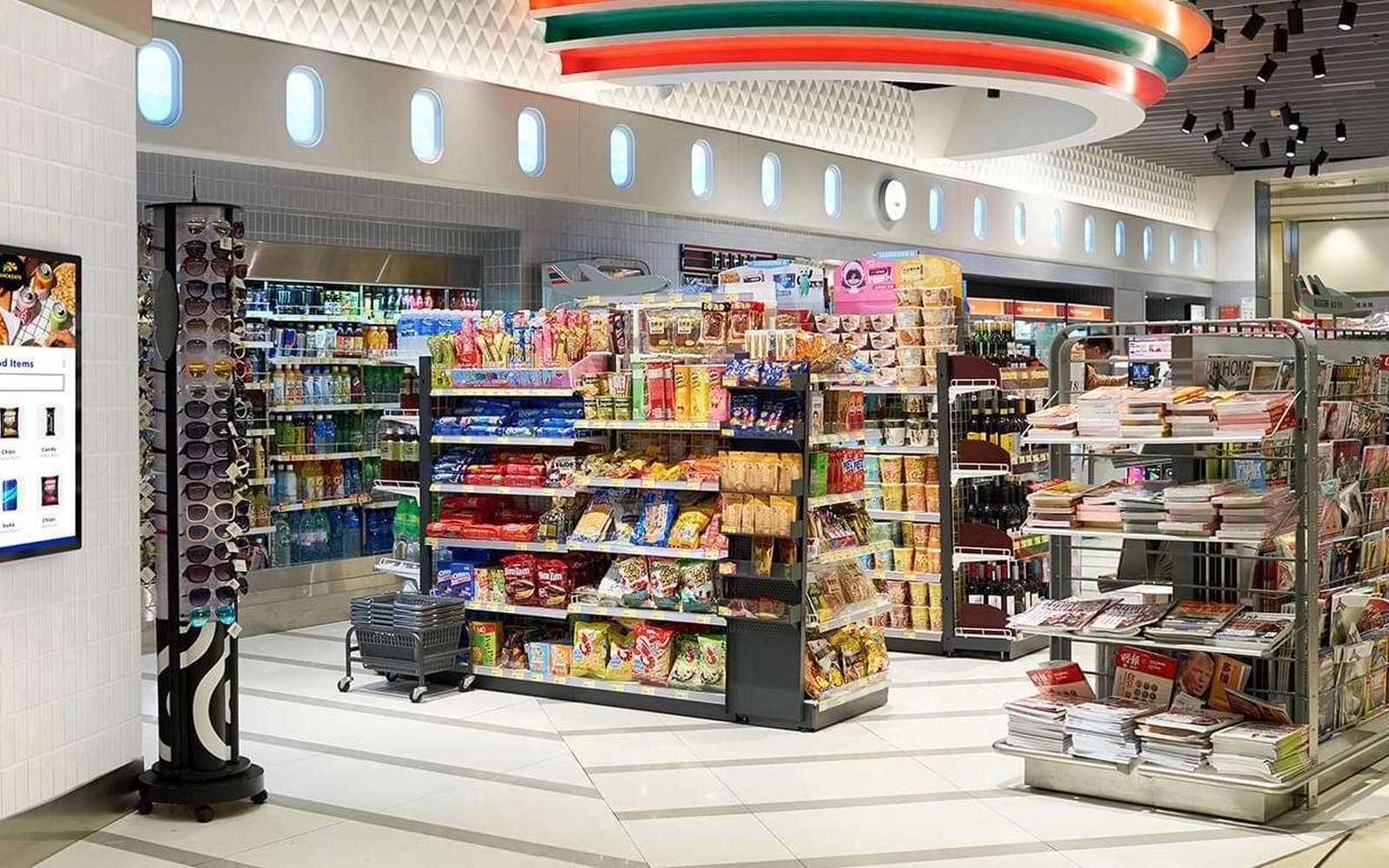
Convenience Stores
Operators usually call us after the seller has already set a deadline. Convenience Stores financing should connect the seller quote to the work that will repay it. We review cabinet condition, selection count, payment system, refrigeration if present, telemetry, and route placement. With convenience stores in view, the credit conversation becomes concrete: what is being purchased, how it will be used, when it begins producing revenue, and which documents prove the transaction.
For convenience stores, because many individual vending machines cost less than our $50,000 minimum, the strongest files combine multiple machines, payment hardware, delivery, and initial route deployment into one acquisition. Buyers comparing Application-Only Vending Financing and Vending Machine Financing in Kansas City, MO can place related assets under one approval when ownership and delivery timing line up. The result is one payment structure instead of a stack of small obligations with different due dates.
For convenience stores, our program starts at $50,000 and commonly serves transactions from $100,000 upward. New and used assets can qualify when the seller and equipment schedule are clear. For convenience stores, application-only review may be available near $400,000 for stronger files, while larger or more complex requests generally require bank statements and additional business documentation. Approval for convenience stores is never guaranteed, and the final structure still depends on this package's condition, placement plan, and credit review.
How we evaluate Convenience Stores
The collateral review for convenience stores begins with identity and configuration. For convenience stores, we want the manufacturer, model or product line, serial numbers when available, age, condition, included accessories, seller, price, and installation or delivery requirements. The convenience stores checkpoints are cabinet condition, selection count, payment system, refrigeration if present, telemetry, and route placement. Those facts explain this asset's remaining useful life far better than a generic equipment package description.
Condition within a convenience stores package is not one uniform grade. Within convenience stores, the cabinet, chassis, attachment, control system, refrigeration component, or payment device may each carry a different service history. In a convenience stores review, we separate replaceable wear items from the durable operating core, with particular attention to cabinet condition, selection count, payment system, refrigeration if present, telemetry, and route placement. A documented used convenience stores package can be easier to evaluate than a nominally new purchase supported by a vague bundled quote.
Related equipment can improve the operating case for convenience stores. A buyer considering Vending Machine Financing in Pittsburgh, PA may also need Royal Vendors Merlin IV Financing to make this acquisition productive on day one. We do not force every convenience stores component into the same term when useful lives differ, but we review the full project before deciding whether one schedule or multiple tranches make more sense.
Where Convenience Stores earns its payment
Convenience Stores financing is most relevant to independent route operators, office refreshment companies, property operators, schools, and institutional accounts. Underwriting is stronger when the borrower can show why this equipment belongs in the operation. Evidence for convenience stores may include contracts, route records, account lists, backlog, replacement cycles, or a documented expansion plan can clarify expected utilization without turning the application into a speculative projection.
Route and placement economics deserve attention in a convenience stores request. Office Vending Services may fit an established operator replacing worn assets, while Office Vending Services may suit a new territory, added route, or technology upgrade. We compare the payment start, operating pattern, and expected deployment date before recommending a structure.
A startup requesting convenience stores receives a case-by-case review. For convenience stores, relevant experience, post-closing cash, personal credit, signed accounts or contracts, and a sensible first package all matter. For convenience stores, an experienced operator opening a new entity for independent route operators, office refreshment companies, property operators, schools, and institutional accounts presents a different risk than a first-time buyer with no placement or customer plan, and the supporting documents should make that distinction visible.
Loan, lease, and refinance paths
A loan for convenience stores usually fits a buyer who wants ownership, potential depreciation eligibility, and a defined payoff. A dollar-buyout lease can produce a similar ownership result through lease documentation. Fair-market-value terms for convenience stores may suit assets with meaningful upgrade cycles, but return conditions and purchase provisions require careful reading. The convenience stores choice should reflect useful life, accounting treatment, tax advice, and the operator's end-of-term plan.
Used convenience stores, private-party purchases, and auction deadlines require more documentation before funding. Titleable components of convenience stores need clean ownership records, while non-titled assets need equipment packages, serials, seller identification, and condition evidence. For convenience stores, buyers evaluating Water Vending Machine Financing should send the purchase path early so lien searches, insurance requirements, and disbursement instructions do not become closing-day surprises.
Owned convenience stores can also support liquidity. Refinancing convenience stores may replace an existing balance, while a sale-leaseback or cash-out structure may release equity from unencumbered assets. For convenience stores, vending Equipment Cash-Out Refinancing provides a useful comparison point, but the amount available depends on orderly liquidation value, remaining life, current payoff, and the business's ability to carry the new payment.
What moves the file from quote to funding
The convenience stores file should begin with a complete vendor quote. The convenience stores quote must identify buyer and seller, list the equipment, show price and deposit requirements, and separate delivery, freight, installation, taxes, subscriptions, and consumables. When convenience stores includes several assets, that itemization prevents disagreement over what becomes collateral at closing.
Business documentation for convenience stores scales with transaction size and complexity. A simpler convenience stores application may move with a credit application and equipment package, while another file may require three months of business bank statements, a debt schedule, returns, or interim financials. Challenged credit on convenience stores is considered, but recent delinquencies, unresolved liens, thin cash balances, and unclear ownership need explanations tied to the actual request.
A complete convenience stores transaction can often fund in roughly one to two weeks, although seller responsiveness, insurance, ownership evidence, inspection needs, and documentation control the actual pace. For convenience stores, finding a missing serial number, lien issue, or nonrefundable deposit at intake is preferable to promising an artificial closing date and discovering the problem after approval.
Price the complete Convenience Stores request
For convenience stores, send the seller quote, equipment schedule, requested delivery date, and a short explanation of the work or accounts the purchase will support. We will identify the missing documents and evaluate a financing path based on this actual package.
Vending equipment financing questions
Can used convenience stores qualify?
Used convenience stores can qualify. Age, condition, seller quality, service records, and remaining useful life carry more weight than the label used. An older asset may require a shorter term, inspection, stronger down payment, or additional condition evidence.
Can several units and accessories be financed together?
Yes. A coordinated convenience stores package is often the better file, especially when individual assets fall below the program minimum. The convenience stores quote should itemize every unit, accessory, delivery charge, and installation component so the collateral schedule stays clear.
Are startups eligible?
A startup may request convenience stores, subject to review. A convenience stores startup is judged on relevant experience, post-closing liquidity, personal credit, signed accounts or contracts, and a realistic deployment plan all matter. A larger down payment may be required.
Can a private-party or auction purchase be funded?
Potentially. A private-party or auction purchase of convenience stores requires seller identification, ownership evidence, serial numbers or titles, condition documentation, and disbursement instructions. Approval should precede any nonrefundable bid.
Can existing equipment be refinanced for cash?
Yes, when the business owns eligible convenience stores with value above any payoff. For convenience stores, we review equipment packages, ownership records, condition, liens, and the proposed use of proceeds before sizing a refinance or sale-leaseback.