Ice Vending Machine Financing
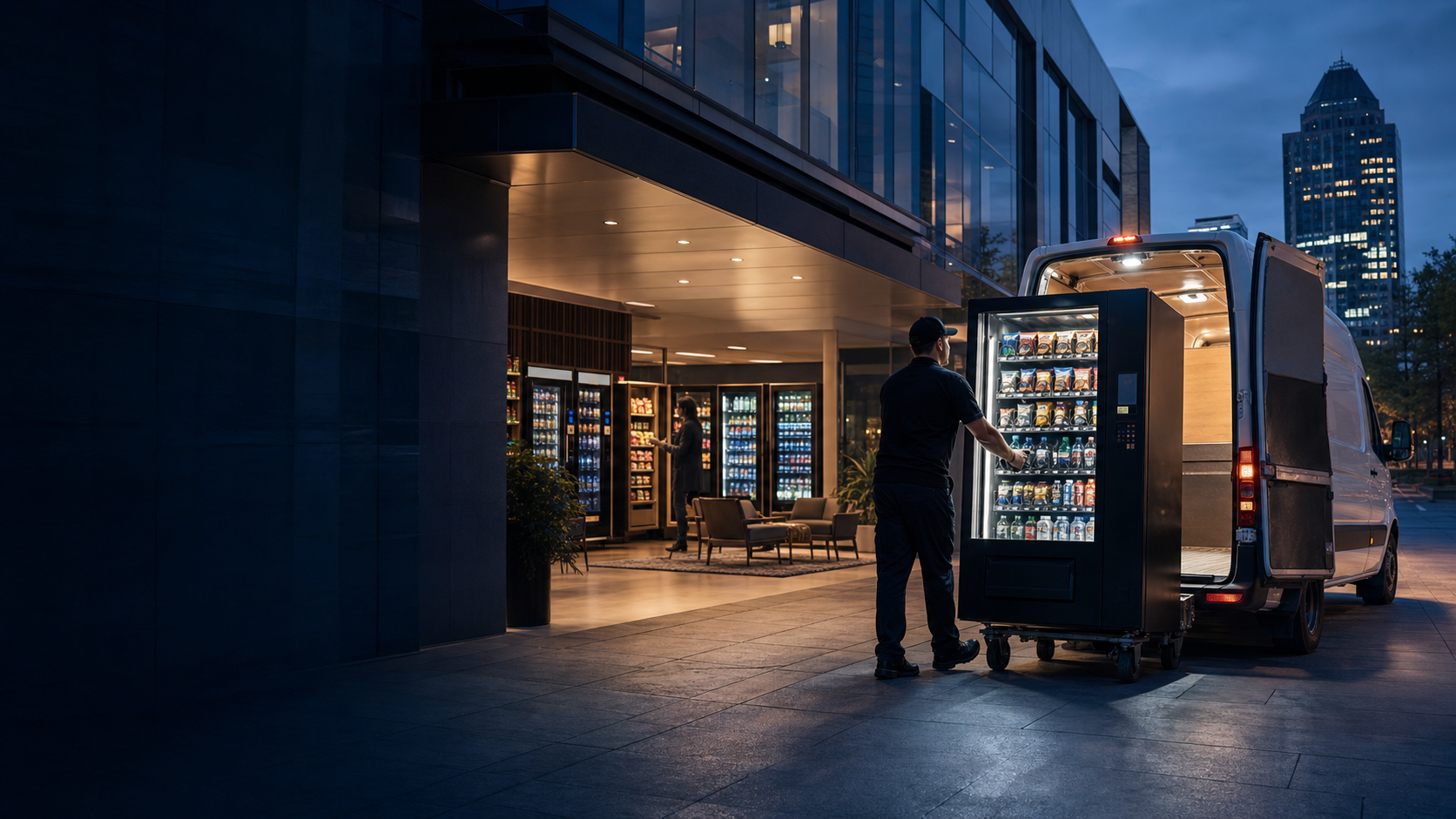
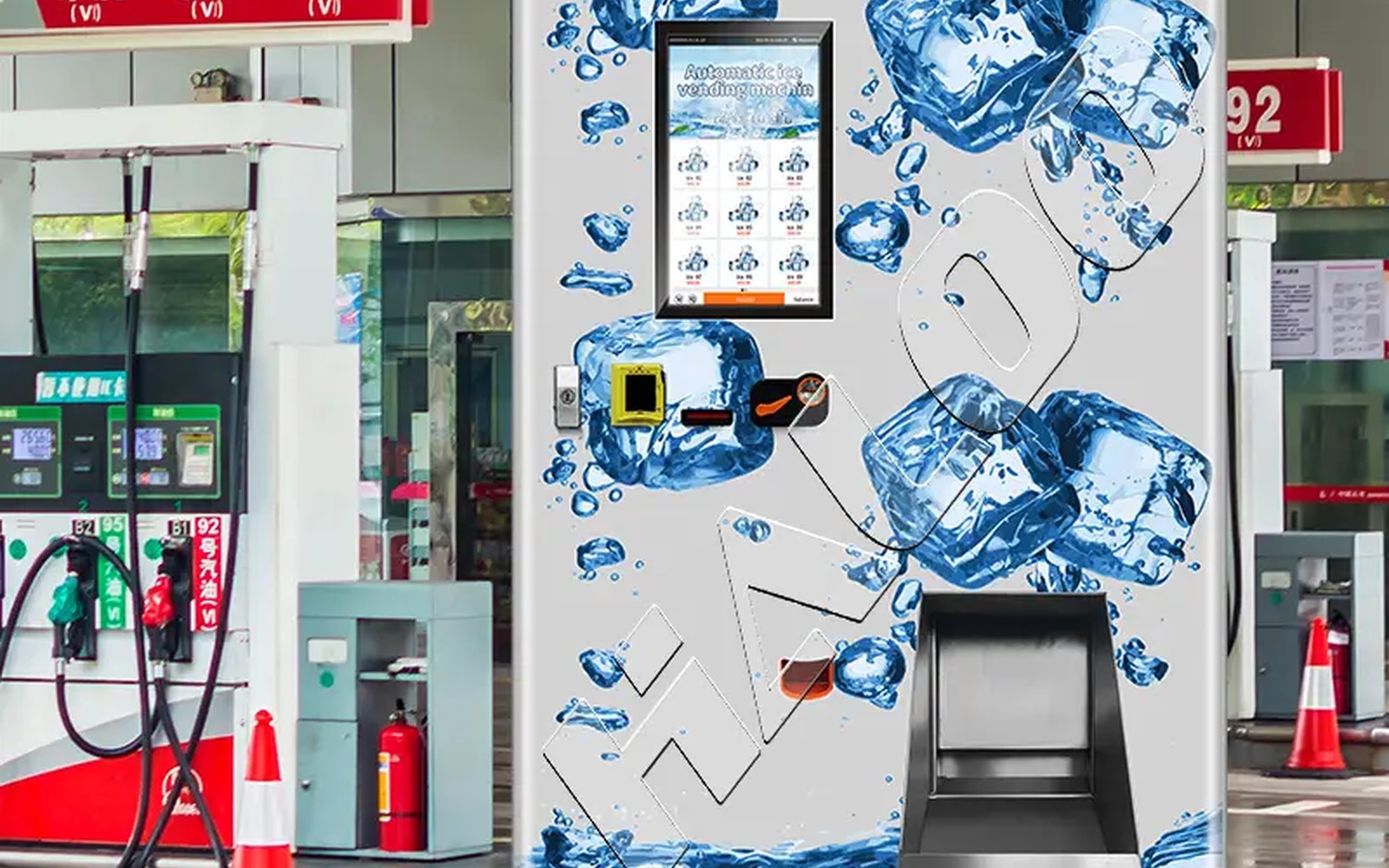
An ice vending kiosk is closer to a small commercial appliance bolted to a piece of real estate than it is to a snack machine, and the site work often gets as much attention as the equipment itself. Water line hookup, a drain, electrical service heavy enough to run an ice-making compressor continuously, and a concrete pad or existing parking lot surface all have to be confirmed before the unit shows up, and a seller quote that skips any of those items is an incomplete quote. Site considerations here overlap with what we review for Outdoor Vending Machine Financing generally, since both categories live outside a climate-controlled building.
Because a single ice machine is priced well above a typical snack or beverage cabinet, one unit can approach or clear our $50,000 program minimum on its own, which changes how we build the file compared to most other vending categories where several machines have to be bundled together to reach that floor. That does not mean the review is any lighter. It means the site, the utility connections, and the landlord agreement carry more of the underwriting weight than machine count does.
Financing starts at $50,000 and works comfortably from $100,000 up, covering new and used units. For ice vending machine financing, application-only paperwork can cover requests near $400,000 for stronger files, while larger rollouts typically move with three months of bank statements. For ice vending machine financing, approval and pricing depend on the applicant, the seller, and the equipment, and neither is promised ahead of that review.
Loan, lease, and site-lease questions together
An equipment loan or an Application-Only Vending Financing path both work for a straightforward purchase where the buyer already controls the site, whether through ownership or an existing lease. What we ask for alongside either structure is the site agreement itself: a landlord or property owner has to consent to the installation, the utility tie-ins, and often the exterior appearance of the kiosk, and that consent needs to exist before equipment gets delivered, not negotiated afterward.
An operator who already owns ice machines outright and wants to expand to new sites can also look at a Vending Equipment Sale-Leaseback on the existing fleet to fund the next round of site work, rather than financing new units against fresh collateral alone. Either path gets evaluated the same way: equipment condition, site control, and the utility and permitting work all factor into what gets approved.
Ice-making capacity, storage bin, and dispensing mechanism
The ice-making unit and the insulated storage bin are the core of the machine, and their relationship matters more than either spec alone. A machine that makes ice slower than a location sells it will run out during a busy weekend regardless of how large the storage bin is, while a bin that is too small for the making rate wastes capacity the compressor already paid to produce. We ask sellers for the production rate and bin capacity together, not as separate numbers, because that ratio is what determines whether the unit can actually keep up with demand at a given site.
The bagging or dispensing mechanism, usually an auger system that fills and seals a bag on demand, is the part most likely to need service, since it has more moving parts than the refrigeration side. We ask about jam history and how the seller has maintained the auger and bagging film feed, similar to how we would review the delivery mechanism on a water vending machine. Filtration on the water feed line also needs documentation, since scale buildup in a filter housing can quietly reduce ice production long before anyone notices a problem.
Where ice kiosks earn their site rent
Convenience Stores and gas stations remain the most common host sites, since the parking lot already has utility access and the foot traffic is already there for other reasons. Retail and Shopping Centers with grocery anchors are a close second, particularly in warm-climate markets where ice demand holds up for most of the year rather than dropping off sharply in winter. Marinas and campgrounds round out the category, though those sites tend to be seasonal and should be underwritten with that earning window in mind rather than assumed to perform year-round.
A market with strong warm-weather demand and boating or coastal activity, such as Vending Machine Financing in Miami, FL, supports a longer earning season for an ice kiosk than a market with a harder winter, and that difference is worth discussing with any operator weighing several potential sites against each other.
How pricing works on an ice machine purchase
Because a single unit often clears the program minimum, the request usually centers on one machine's full installed cost rather than a bundled equipment list. That installed cost should include the ice-making and storage unit itself, delivery and placement equipment if the unit is heavy enough to need it, the water and drain tie-in, electrical service upgrades if the existing panel cannot support the load, and the pad or foundation work if one is not already in place. A quote that lists only the machine price and leaves the rest as an unspecified allowance makes it harder to size the request correctly.
New and used units both qualify, and credit outside the top tier is reviewed rather than declined automatically. Used units should come with service history on the compressor and auger system, since those are the components most likely to need attention after a change in ownership.
Price your ice machine purchase
Send the seller quote, the site's utility and pad conditions, the landlord or site agreement, and the location the machine will serve. We will identify what the file needs and return financing sized to the actual installed cost.
Vending equipment financing questions
Can a single ice machine qualify for financing on its own?
Often yes. Because these units are priced well above a typical snack or beverage cabinet, one machine can approach or clear our program minimum without being paired with additional equipment.
Does financing cover the water, drain, and electrical work the site needs?
For ice vending machine financing, it can, as long as that work is itemized on the seller quote or a contractor equipment package tied to the same project. We would rather see it on the file upfront than discover it as an unplanned cost after delivery.
What happens if the ice-making unit and storage bin capacity do not match well at a site?
That mismatch is a business risk for the operator rather than a financing term, but we do ask about production rate and bin capacity together during review, since a poor match can affect the site's ability to support the payment.
Will a used unit from another operator's closed site qualify?
It can, with a bill of sale and service history on the compressor and auger system. Those two components see the most wear and are worth documenting before purchase.
How does a seasonal marina or campground placement affect underwriting?
We size the review around the actual earning window for that site rather than assuming year-round demand, similar to how we would review any seasonal vending placement.
Can I use existing owned ice machines to fund a new site through a sale-leaseback?
Yes, if the existing units are unencumbered or have enough value above any current payoff. The amount available depends on condition, remaining useful life, and current market value.